
How Traffic AI Transforms Urban Traffic Control Systems
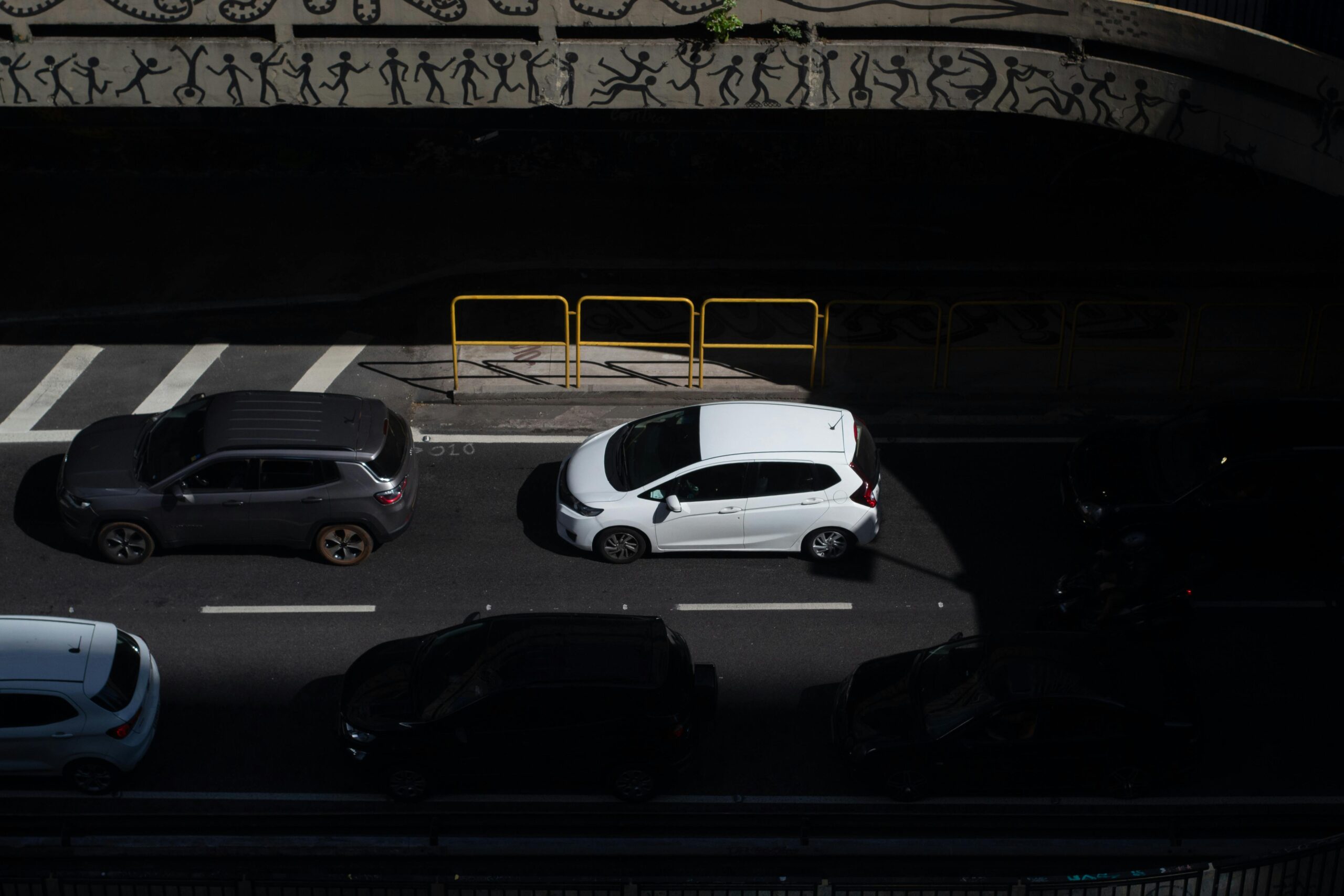
Urban areas experience a high volume of traffic. Whether people are travelling to work, dropping their kids off at school, or simply heading to the shops, every vehicle on the road contributes.
This is especially true when urban areas are constantly developing and expanding. This increases the population and adds more traffic to the roads, affecting congestion, safety, traffic speeds, and more.
Traffic AI is just one of the latest technologies that can help to revolutionise traffic management. But how will it transform urban areas and control systems? In this article, we’ll detail what you need to know to fully understand Traffic AI and how it can help.
To learn more about Traffic AI or to have a system installed, contact our team at Sensor Dynamics today.
How Does Traffic AI Work?
Traffic AI is essentially a monitoring system. It is made up of cameras and sensors strategically placed at key locations. Often, this is at intersections, roadways, and lanes.
The sensors and cameras collect and record vital vehicle data from these locations. This will be real-time data of current vehicle insights. It is designed to register the different types of vehicles, from buses and trucks to light vehicles and more.
This is powered by our AI vehicle classification engine, which identifies make, model, axles, and more.
Government bodies and other organisations can then track this information and take action when road rules are infringed upon. This helps to ensure road compliance.
Transforming Urban Traffic Control Systems
Urban areas have incredibly dense populations that directly impact traffic, both vehicular and pedestrian. Australia has one of the highest urbanisation rates in the world, with urbanisation at 86.6% in 2023 and expected to grow.
With this kind of impact, up-to-date traffic control systems and strategies have become vital in supporting urban areas and populations.
What Information Does Traffic AI Register?
Similar to speed cameras, Traffic AI captures data in quick snapshots. It then registers detailed information about each vehicle it detects, including:
- Make
- Model
- Colour
- Vehicle type
- License plate registration
- Axle count
- Other key characteristics
This enables the system to accurately differentiate between light vehicles, buses, and various classes of heavy trucks. This can help authorities monitor restricted routes, enforce access rules, and maintain safer, more efficient roads.
Holding Transport Accountable
Keeping our roads safe means making sure the right vehicles are using the right roads and holding drivers accountable when they’re not.
Traffic AI plays a key role in this by automatically identifying vehicle types. For instance, if a heavy truck is using a restricted motorway, Traffic AI detects the breach in real time and captures the vehicle’s registration.
Other types of non-compliance Traffic AI can track include:
- Weigh-in-Motion (WIM) for overloaded vehicles
- Emissions detection for high-polluting vehicles
- Curfew monitoring for vehicles operating outside permitted hours
- Real-time compliance checks through NEVDIS & NHVR
By flagging non-compliant vehicles, Traffic AI helps authorities take prompt enforcement action, reducing risk, protecting infrastructure, and ensuring safer roads for everyone.
Tracking Trends
Beyond individual detections, Traffic AI also tracks broader trends in non-compliance, such as how often certain types of vehicles are using restricted roads.
This data gives government bodies valuable insight into patterns of misuse, helping them make informed decisions about policy updates, infrastructure changes, or targeted enforcement where needed. It’s not just about catching breaches; it’s about improving the system for everyone.
All vehicle data captured by Traffic AI feeds into LPRnet, our centralised vehicle data platform for reporting and compliance tracking.
A study in Queensland used AI across city streets and highways and found 3600 violations in its first few weeks. This averaged out to around 100 violations a day. Being able to detect these infringements may help inform decision-making and act as a deterrent to driver and vehicle non-compliance.
Give Urban Traffic Control Systems an Advantage
Insights into who and what is travelling on our roads are essential to ensuring compliance, safety, and smarter planning. Our Traffic AI delivers accurate data fast, helping authorities monitor vehicle types and detect non-compliance with confidence.
Traffic AI is compact, transportable, and built for speed. With Sensor Dynamics, up to 12 units can be deployed in a single trip, with each one operational in under 20 minutes.
It’s perfectly suited to temporary compliance monitoring, short-term road studies, infrastructure upgrades, and more. For long-term use, Traffic AI can also be installed as fixed infrastructure. So you have the flexibility you need to get the most out of it.
Seamlessly integrating with your existing systems, Traffic AI makes it easier than ever to take control of road compliance and vehicle monitoring. Reach out to Sensor Dynamics today to get started.
Every environment is different – ask about a custom Traffic AI deployment tailored to your road network.
Previosly
How Do Parking Bay Sensors Work?
August 20, 2025