
Traffic AI Procurement Checklist for Councils and Consultants in Australia
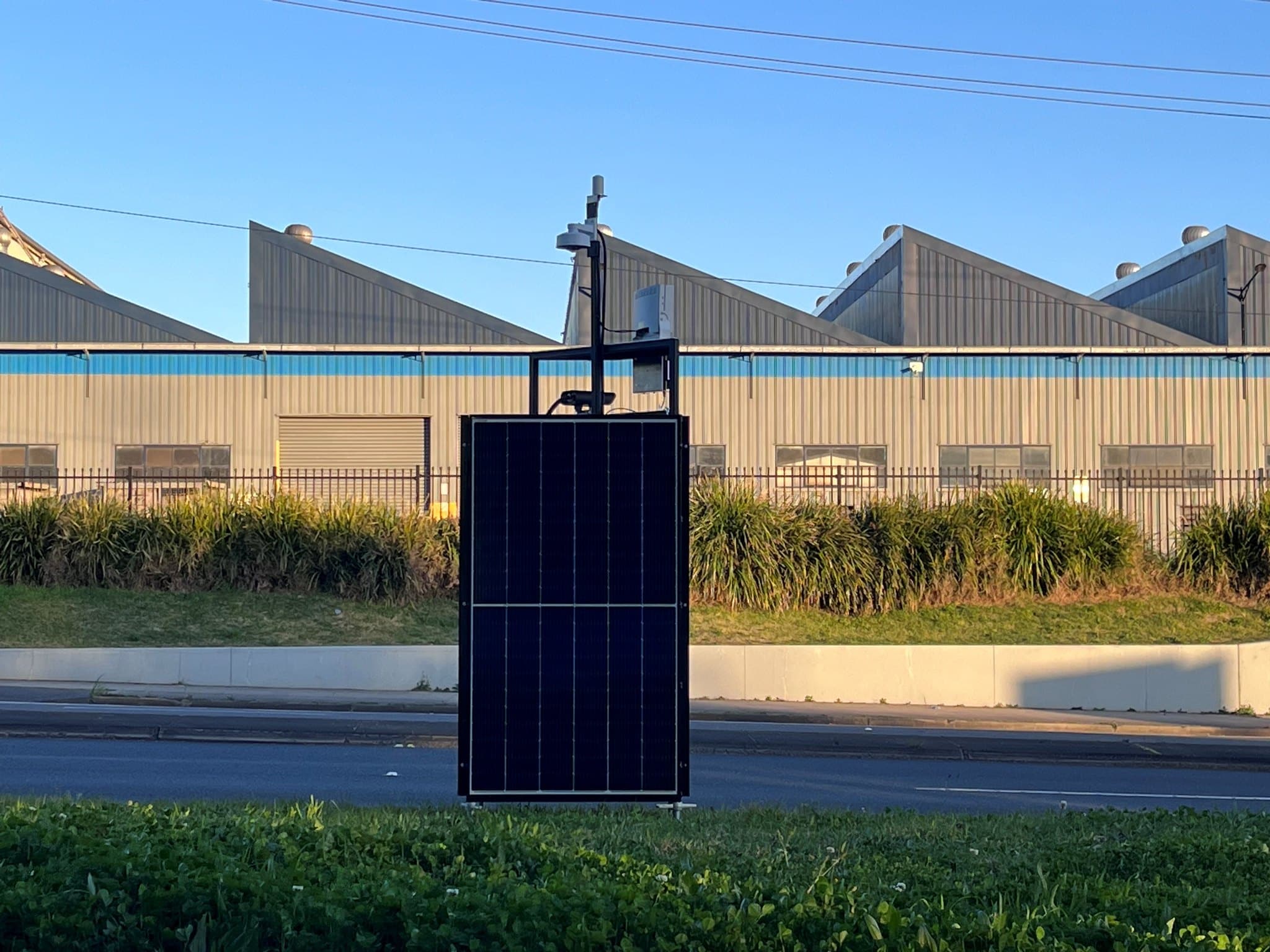
Procurement decisions for Traffic AI systems carry more risk than most councils and consultants expect. Vendor claims are often broad, deployment conditions vary significantly across Australia’s road network, and the consequences of poor shortlisting show up later, through unreliable compliance data, unsupported hardware, and systems that fail to integrate with existing tools.
This checklist outlines the six critical areas to assess before shortlisting any Traffic AI provider. Each section includes practical questions to ask during a tender process, pilot evaluation, or early-stage project scoping.
Key Considerations When Evaluating Traffic AI Systems
- Accuracy claims need context; always validate how figures were measured and under what conditions
- Reporting outputs must align with real-world audit, compliance, and planning workflows
- Deployment flexibility is critical, particularly in regional and remote environments
- Data sovereignty and privacy compliance are non-negotiable for Australian councils
- Integration capability and local support determine long-term system success
1. Data Accuracy: What the Spec Sheet Doesn’t Always Tell You.
A headline figure such as “98% accuracy” means very little without context. Ask every vendor how accuracy was measured, under what lighting conditions, across which vehicle types, and on what road configurations.
Key questions to ask:
- What is the false-positive rate for vehicle classification?
- How does the system perform in low-light, high-speed, or congested environments?
- Has performance been validated on Australian roads, not just controlled or overseas conditions?
For compliance-grade applications such as heavy vehicle monitoring or curfew enforcement, accuracy in real-world operating conditions is critical. The NHVR’s 2024 National Roadworthiness Survey inspected more than 9,000 heavy vehicles nationally, with 25% failing inspection. This highlights the scale of the compliance challenge and the importance of reliable detection.
2. Reporting and Data: Does the Data Work for Your Team?
Raw data is not the same as usable information. A Traffic AI platform should produce outputs that align with how council and consultant teams actually work.
Confirm:
- Does the system support CSV export and Power BI dashboards?
- Can reports be filtered by vehicle class, time period, or location?
- Are automated reports available for compliance and audit use?
Councils managing multiple sites or long-term programs need reporting that reduces manual effort, not systems that create additional admin overhead.
3. Deployment Speed and Flexibility
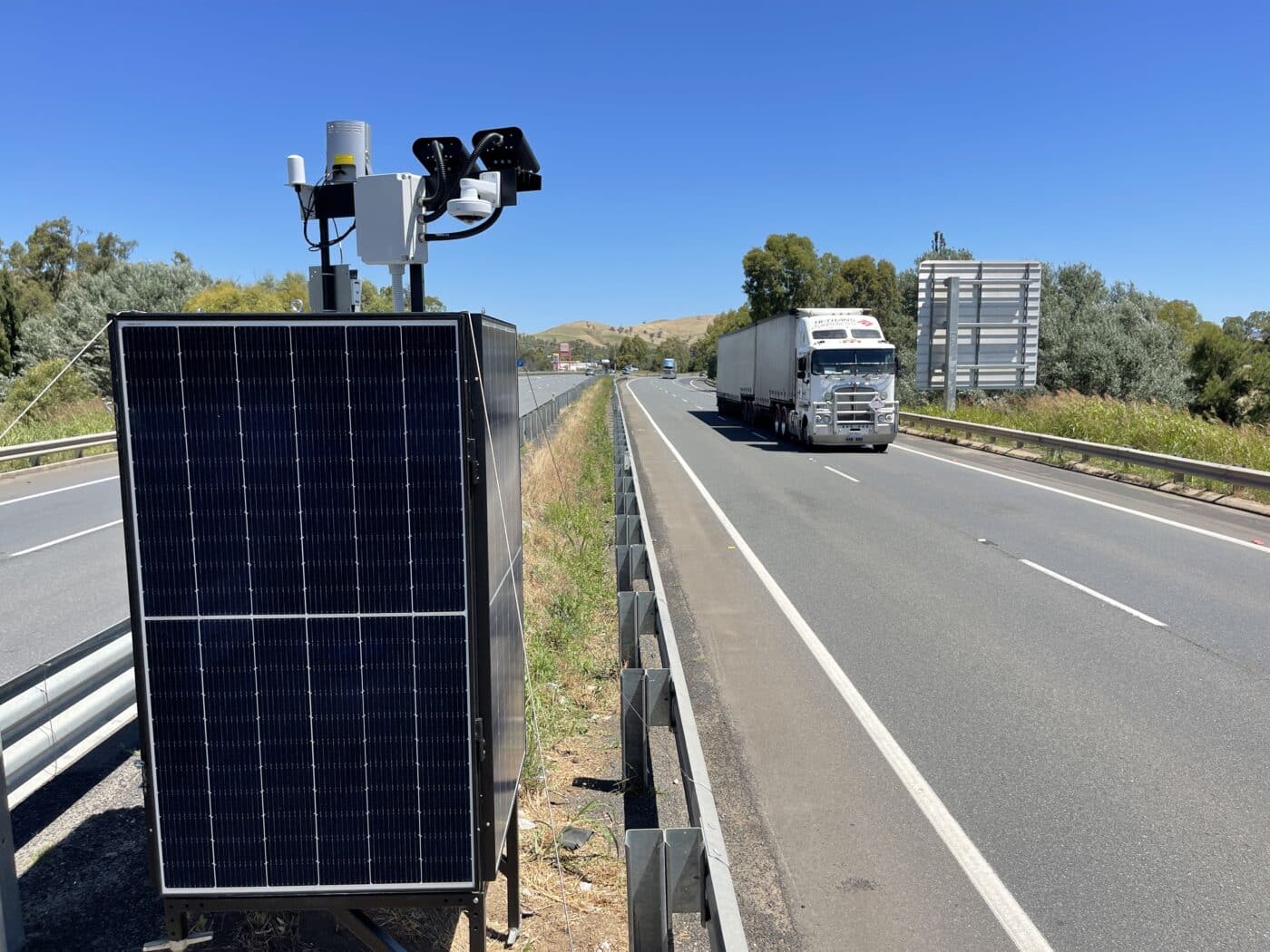
Temporary compliance monitoring, road studies, and regional deployments require systems that can be deployed quickly without fixed infrastructure.
Key questions:
- How long does deployment take per unit?
- Can the system operate without grid power or hardwired connectivity?
- Is it suitable for remote or regional environments?
Sensor Dynamics’ Traffic AI solution is designed for these conditions, with solar-powered units, 4G and Starlink connectivity, and deployment in under 20 minutes.
4. Data Governance, Privacy, and Sovereignty
For Australian government and council procurement, data governance must be addressed upfront.
Key considerations:
- Is all data hosted in Australia?
- Who has access to captured data and under what controls?
- What are the data retention policies?
- Is access logged for audit and compliance purposes?
For infringement-related applications, chain of custody and auditability are mandatory, not optional.
5. Integration with Existing Systems
A Traffic AI system that cannot integrate with existing infrastructure creates a data silo, leading to inefficiencies and missed insights.
Before shortlisting:
- Does the system integrate with NEVDIS and NHVR?
- Can data be transmitted securely via VPN?
- Can outputs be configured to match existing reporting formats?
With NHVR operating mobile ANPR across all jurisdictions, compatibility with national compliance systems is essential. Systems developed in-house (rather than resold) typically offer greater flexibility.
6. Local Support and Operational Continuity
Support capability becomes critical during live deployments, compliance periods, or hardware failures, especially in remote areas.
Ask:
- Is there a locally based support or control centre?
- What are the response time commitments?
- Is hardware manufactured and serviced in Australia?
Long-term success depends as much on support capability as technical performance.
Get Expert Advice for Your Traffic AI Procurement
If you are evaluating Traffic AI providers for a council, road authority, or infrastructure project in Australia, Sensor Dynamics can help you define a specification aligned to real deployment conditions.
Request a Quote or Speak to Our Team
FAQs – Traffic AI Procurement
1. What accuracy benchmarks should councils request?
Request accuracy broken down by vehicle type, lighting condition, and environment. Also confirm false-positive rates and validation on Australian roads.
2. What does data sovereignty mean for councils?
Data must be hosted in Australia, controlled under Australian privacy law, and accessible only to authorised users with audit logging in place.
3. How do you assess system portability?
Review deployment time, power source, and connectivity requirements. Systems requiring fixed infrastructure are not truly portable.
4. What integration capabilities are essential?
Ensure compatibility with NEVDIS, NHVR, and existing transport platforms, including secure data transfer options such as VPN. Integration limitations found after contract execution are costly to resolve.
5. Are pilot programs available?
Many vendors offer short-term deployments to validate performance. Confirm what data outputs and reporting are included during the trial.
