How to audit speeding and heavy vehicle compliance with Traffic AI
Heavy vehicle monitoring is most valuable when it gives traffic teams evidence they can use. For councils across Melbourne and Australia, the issue is rarely just that trucks are present. The real question is where heavy vehicles are travelling, when they appear, whether they are speeding, and whether the pattern points to a network problem, a compliance issue, or both.
Traffic AI gives councils a structured way to answer those questions. By combining vehicle classification, speed data, direction of travel, and time-based reporting, teams can move from complaints and short surveys to repeatable audit evidence. The process is practical, measured, and built around action.
Key points
- Heavy vehicle monitoring should identify repeat patterns, not isolated movements.
- A useful audit needs clear objectives, defined sites, and a reliable baseline.
- Traffic AI can help measure vehicle class, speed, direction, volume, and time-of-day behaviour.
- Findings can guide enforcement focus, signage, signal timing, route reviews, and treatment priorities.
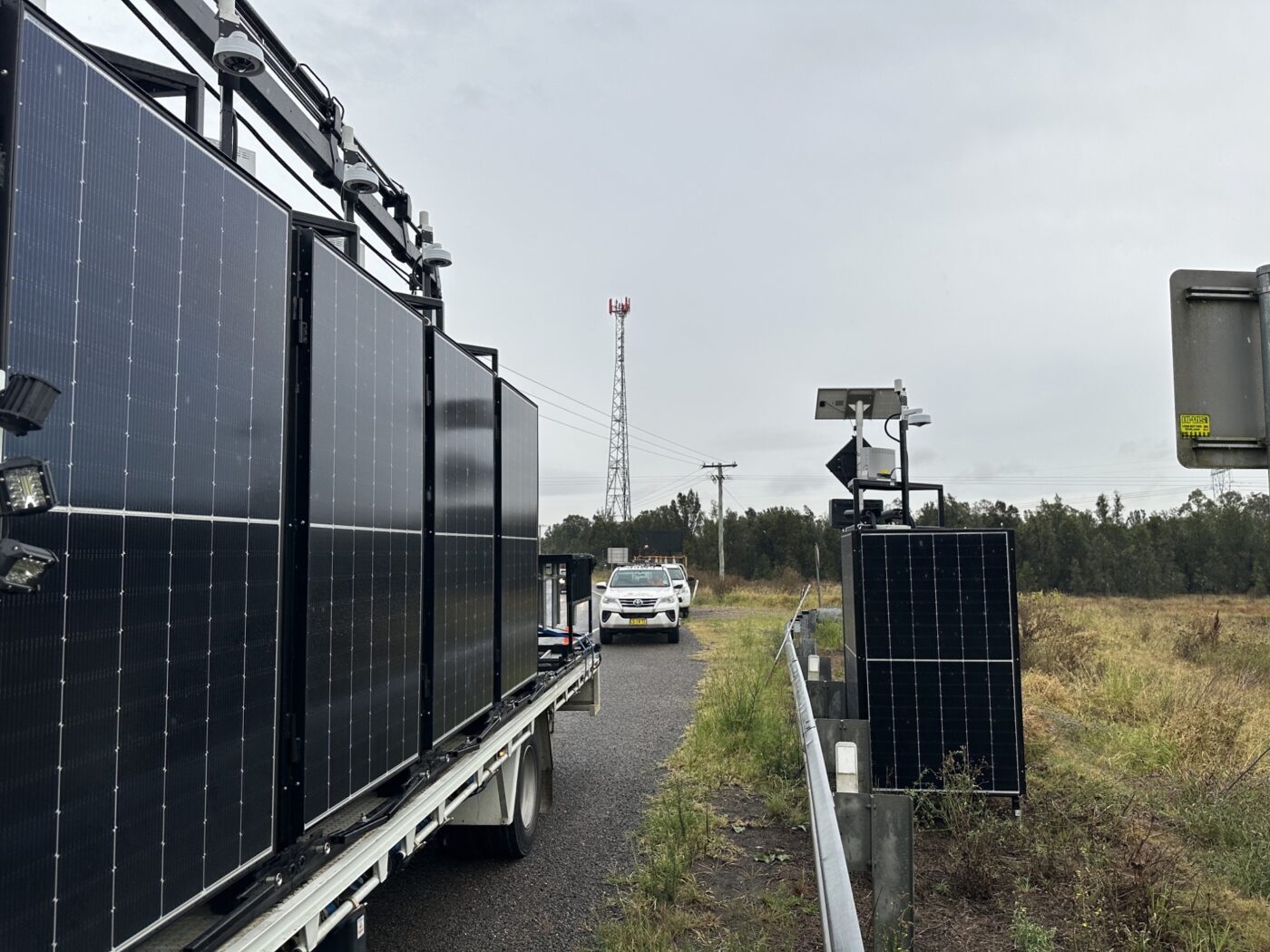
- Portable monitoring helps councils test concerns before investing in permanent infrastructure.
What heavy vehicle monitoring should show
Traditional traffic audits often rely on manual counts, temporary surveys, or separate data sources that need to be compared later. These methods can help, but they may not show vehicle type, speed, time, and repeat behaviour in one consistent view.
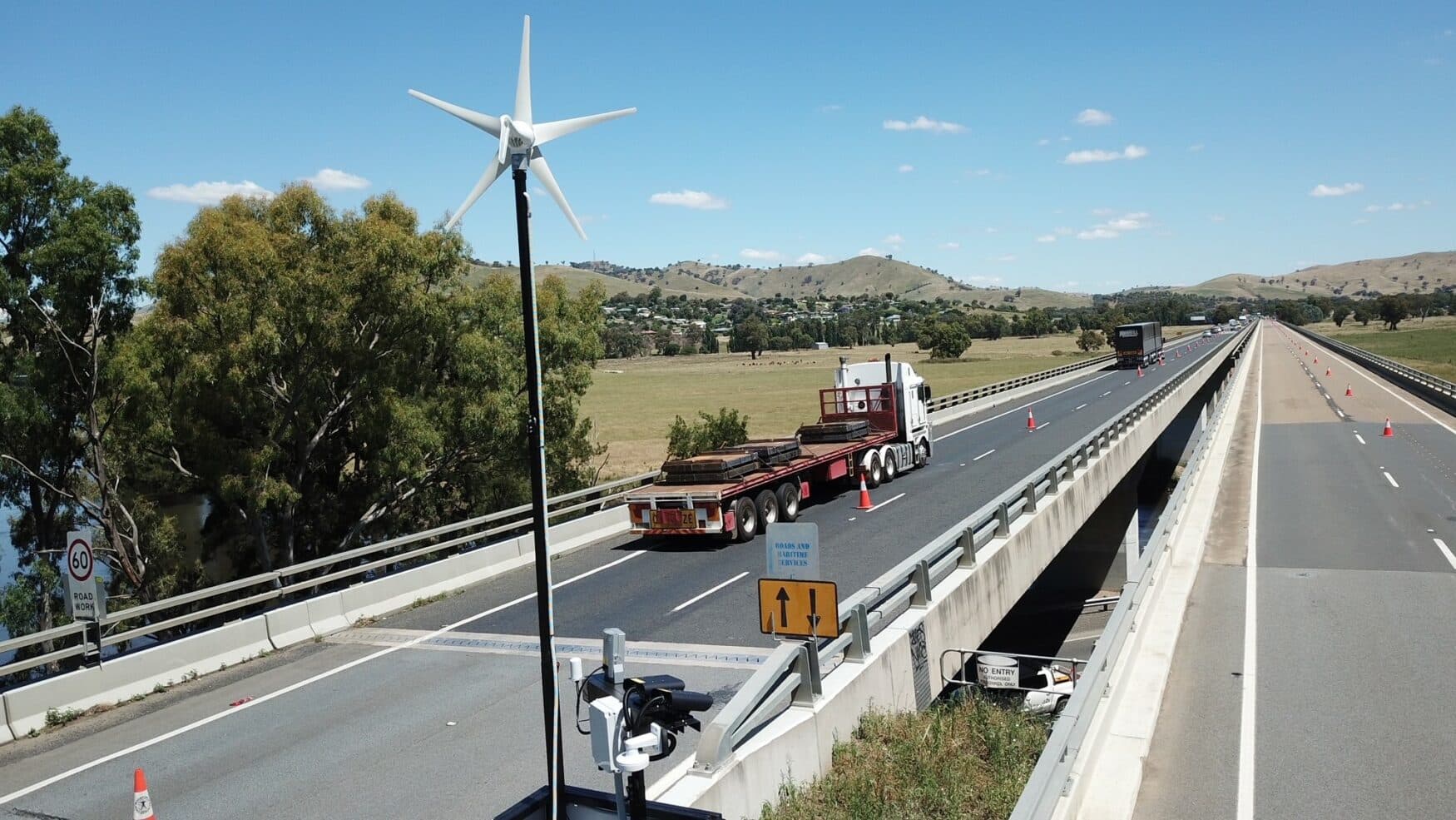
Traffic AI portable traffic detection is designed for field-based monitoring across corridors, intersections, freight routes, school zones, and local streets. This matters because heavy vehicle compliance is context-specific. A truck on an approved route during an approved time may be expected. A heavy vehicle speeding through a local street overnight may need a different response.
The audit should make that distinction clear.
Step 1: Define the audit objective
Start with the decision the data needs to support. “Too many trucks” is not specific enough. A stronger objective might ask whether heavy vehicles are using a residential street as a shortcut, whether speeding is concentrated near a school zone, or whether freight movements are increasing outside permitted hours.
Each objective should be tied to a location, time window, and measurable behaviour. Useful audit sites include industrial precinct approaches, construction access roads, freight corridors, town centres, bridge approaches, and streets with repeated community complaints.
Step 2: Set a baseline period
A baseline protects teams from reacting to one unusual day. It gives the audit a fair reference point.
For most council audits, the baseline should capture weekday peaks, weekend traffic, overnight activity, and known local conditions. In Melbourne, that may include school terms, waste collection, port-related movements, event traffic, or construction staging. Across Australia, the same principle applies. Select a monitoring period that reflects normal movement before testing for exceptions.
Core baseline metrics should include total volume, heavy vehicle share, 85th percentile speed, posted speed comparison, direction of travel, peak movement periods, and the number of vehicles above selected speed bands. For compliance audits, time-of-day breaches and repeat hotspot rankings are especially useful.
Step 3: Identify hotspots with context
A hotspot is not always the location with the most vehicles. It is the place where behaviour creates the greatest operational, safety, or compliance concern.
Traffic AI helps teams compare sites by vehicle type, time, speed, and movement pattern. This can show whether heavy vehicles are concentrated during school drop-off, whether speeding rises overnight, or whether non-compliance is linked to nearby depots, worksites, or arterial connections.
Vehicle classification is important here. Sensor Dynamics uses computer vision and locally developed algorithms to classify vehicles in real time through its Vehicle Classification using Machine Learning and AI system. That allows councils to separate light vehicles from heavy vehicles, then focus on the behaviour that matters most.
This approach also reflects the wider direction of traffic surveying. Austroads has developed an extended vehicle classification scheme to support better monitoring of the changing vehicle mix on Australian and New Zealand roads, including heavy vehicles (Austroads).
Step 4: Turn findings into action
A strong audit should lead to a practical next step. Use this checklist to connect findings with action:
- Heavy vehicle volumes are high on an unsuitable local road; review freight routes, access rules, and advisory signage.
- Speeding is concentrated overnight; share evidence with enforcement partners and assess lighting or traffic calming.
- Heavy vehicles increase during construction periods; review permits, contractor access, and haulage timing.
- Non-compliance appears near intersections; assess signal timing, turning movements, line marking, and signage.
- Community concern is not supported by repeat data; communicate findings and continue periodic monitoring.
Measured evidence helps traffic teams explain why one location is treated before another. It also gives councillors and community members a clearer basis for decisions.
Step 5: Repeat the audit after changes
After enforcement, signage, timing changes, or road treatments are introduced, repeat the audit under comparable conditions. Use the same sites, similar time windows, and the same core metrics.
The before-and-after view shows whether the action worked. It can also reveal whether the issue moved to another street, reduced at one time of day, or needs a different treatment.
Consistency builds confidence.
Request a Traffic AI demo or pilot
Heavy vehicle monitoring works best when it is structured, repeatable, and tied to decisions. Traffic AI helps councils identify where speeding and heavy vehicle non-compliance are happening, define a reliable baseline, and turn findings into practical action.
For Melbourne councils and traffic teams across Australia, better evidence makes it easier to prioritise enforcement, improve signage, adjust timing, and plan treatments with care.
To see how Traffic AI could support your next compliance audit, request a Sensor Dynamics demo or pilot.
Frequently Asked Questions
1. What is heavy vehicle monitoring?
Heavy vehicle monitoring measures when, where, and how heavy vehicles move through a road network. It can include vehicle class, speed, route use, direction, time-of-day trends, and compliance with local access rules.
2. How can Traffic AI help councils identify non-compliance?
Traffic AI helps councils assess vehicle activity by type, speed, time, and direction. This gives teams evidence to identify repeat patterns rather than relying only on complaints or short manual observations.
3. What metrics should a heavy vehicle audit include?
A practical audit should include heavy vehicle share, total volume, 85th percentile speed, speed-band counts, direction of travel, time-of-day trends, and hotspot rankings. These metrics help separate general traffic pressure from specific compliance concerns.
4. What actions can councils take after an audit?
Audit findings can support targeted enforcement, signage changes, route reviews, signal timing adjustments, access changes, and treatment priorities. The right action depends on whether the issue relates to safety, compliance, congestion, or network planning.
5. Can Traffic AI be used for temporary audits?
Yes. Portable monitoring is useful when councils need to test a concern, compare locations, or collect before-and-after data without installing permanent infrastructure first. This makes it practical for pilots, complaints, project reviews, and short-term compliance audits.

Previosly
Traffic AI Procurement Checklist for Councils and Consultants in Australia
July 24, 2026