How city teams use Traffic AI to fix bottlenecks
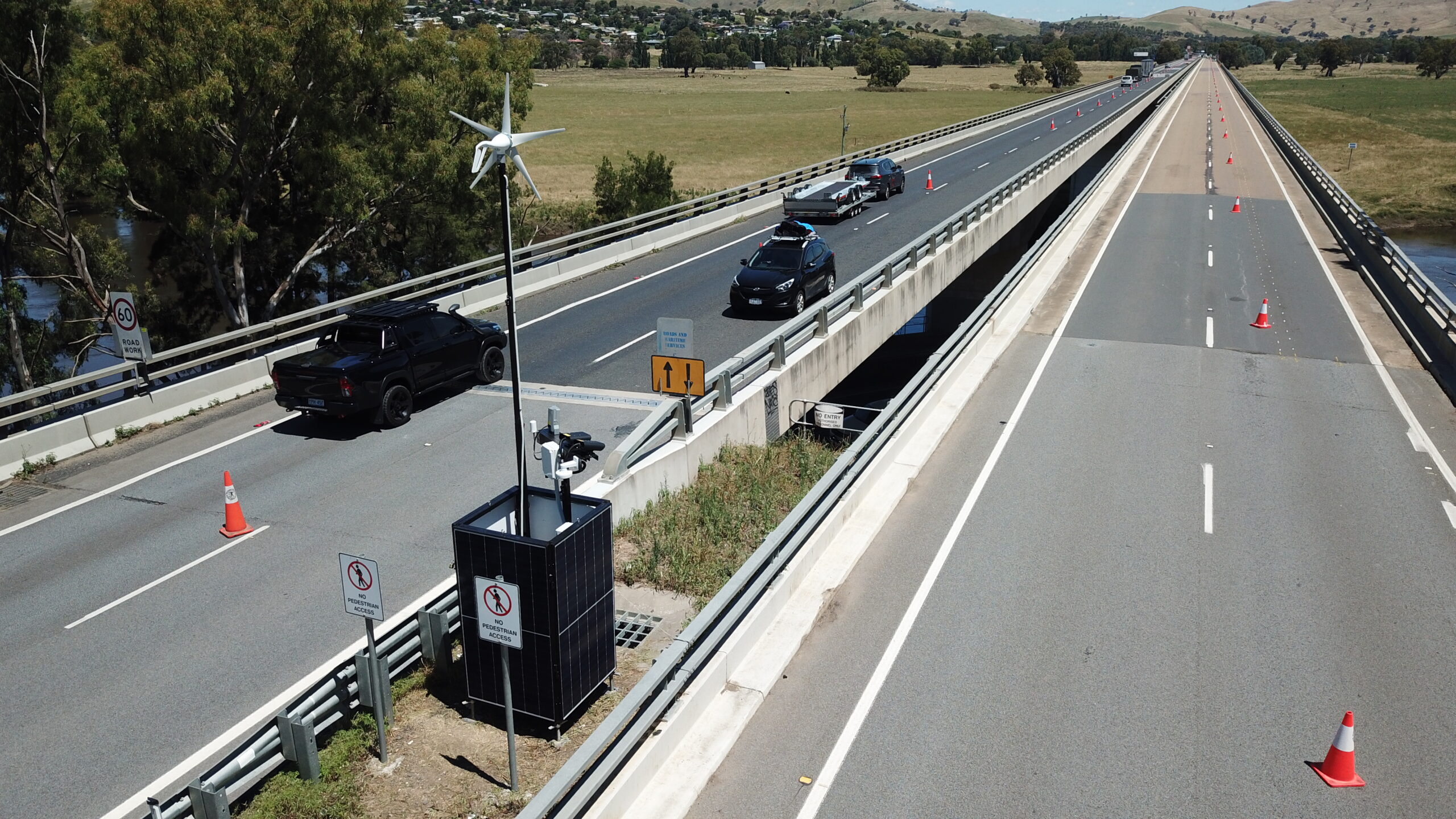
When traffic backs up on a corridor, the visible queue is only the starting point. The harder question is what is causing the delay. At one site, the problem may be a short turn lane that fills too early. At another, it may be poorly matched signal timing, merge friction, heavy vehicle movements, or vehicles entering and leaving a busy site. For city teams, that distinction matters because each cause points to a different solution.
Traffic AI is useful because it helps turn a congestion complaint into a structured review. Instead of relying on a brief site visit or a single traffic count, teams can look at how the location operates across the day, what patterns repeat, and where the bottleneck really begins.
Key points
- Bottlenecks often have different causes, even when the queue looks similar.
- The best fix depends on what the data shows about movement patterns, lane use, and vehicle mix.
- Traffic AI can support short, targeted studies at intersections, corridors, and access-related hotspots.
- Before and after reporting helps teams check whether a change solved the problem or shifted it elsewhere.
Why bottlenecks are harder to solve than they look
A queue does not explain itself. It only shows that demand and road performance are out of balance at a certain place and time. Two intersections can have similar delays and still need completely different responses.
For example, one approach may fail because the demand exceeds the available green time. Another may be affected by lane imbalance, where one lane carries too much pressure while another remains underused. Another may appear to be an intersection issue when the real cause sits further downstream, where congestion spills back and blocks the approach.
This is why traffic teams need more than a simple count. They need information that shows how traffic behaves, not just how many vehicles passed a point. Guidance from Austroads also reflects the value of network performance measures built from continuous traffic data, because short observation periods rarely show the full picture.

Common bottlenecks, and what usually sits behind them
- Short turn lanes are one of the most common issues. When storage runs out, standing vehicles spill back into through lanes and reduce the effective capacity of the full approach.
- Merge points create a different problem. The issue is often not the merge itself, but the braking wave that forms behind it. That can reduce corridor speed much further upstream than expected.
- Signal mismatch is another frequent cause. Travel demand changes over time, and a signal plan that once worked well may no longer match current turning volumes, freight activity, school traffic, or nearby development.
- Heavy vehicles can also shape bottleneck behaviour. On roads that carry both commercial traffic and local trips, larger vehicles affect clearance time, acceleration, and the amount of road space needed for certain movements. This is one reason vehicle classification matters when reviewing a corridor.
- Access friction is another issue that is easy to underestimate. At retail centres, civic sites, mixed-use precincts, and major destinations, entry and exit movements can interrupt the flow of the surrounding road network. In those situations, road operations and site access often need to be reviewed together, which is where Traffic AI can help traffic teams study the road edge more clearly.
A practical way to diagnose the cause
A useful Traffic AI study starts with a simple question: where does the delay begin, and what movement appears to trigger it?
The first step is to define the hotspot properly. That might be an intersection with recurring peak-hour queues, a corridor with unreliable travel times, or an approach where congestion regularly spreads into an upstream movement.
The next step is to capture the conditions that matter. That means looking across the time periods that shape the site, not just the busiest hour. Some bottlenecks are driven by short peaks, directional surges, school activity, event traffic, or a change in vehicle mix that only appears at certain times.
Once the baseline is clear, the review becomes more useful. Traffic teams can test whether the issue is linked to turn demand, lane use, heavy vehicles, merge behaviour, or access interruptions. That creates a much stronger base for choosing a response than relying on visual impressions alone.
How traffic data helps teams find the right solution
The real value of Traffic AI is not that it produces more data. It is that the data helps narrow the solution.
If the problem is turn-lane storage, the response may involve turn treatment, lane reallocation, or a signal review. If the issue is lane imbalance, the better answer may be line marking, signage, or a change to lane use. If heavy vehicles are driving slower discharge, teams may need to look at corridor function, vehicle mix, and timing strategy together.
If the bottleneck is linked to vehicles entering and exiting a major site, the road may not be the only place that needs attention. In that case, a review of access layout, circulation, and
Traffic AI studies can help determine whether the delay is being generated at the kerbside rather than in the intersection itself.
This is where Sensor Dynamics is most relevant. Through Traffic AI studies, the company supports councils and road authorities with a clearer understanding of how a site operates and which fix deserves attention first.

Why before and after reporting matters
Finding the likely cause is only part of the job. Traffic teams also need to know whether the chosen response improved conditions in a meaningful way.
Before and after reporting helps answer that question. By using the same study logic on both sides of an intervention, teams can compare queue behaviour, lane performance, vehicle mix, and delay windows more consistently. That makes it easier to tell whether the change reduced the original pressure point or simply moved the issue elsewhere.
This is especially useful for pilot programs, staged works, and budget planning. It gives planners, engineers, and decision-makers a shared evidence base for what changed and what results followed.
For city teams, that is what makes Traffic AI useful. It helps turn congestion into a set of measurable operating conditions, and once those conditions are clear, the path to the right solution becomes easier to see.
For teams reviewing a known hotspot, a short pilot can be a practical way to test the approach, confirm the cause of delay, and see which response deserves closer review.
Frequently Asked Questions
1. What does Traffic AI help traffic teams understand?
It helps teams understand where delay begins, which movement is driving it, and how the site behaves across different times of day. That creates a stronger basis for deciding whether the problem is operational, access-related, or tied to corridor layout.
2. When is a simple traffic count not enough?
A count is useful for showing demand, but it does not always explain why a lane fails first or why congestion only appears at certain times. When the cause is unclear, teams usually need movement, timing, and vehicle-mix information as well.
3. What should a team measure before changing a hotspot?
They should measure the conditions that explain behaviour, not just volume. That usually includes directional flow, lane use, repeat delay windows, vehicle classification, and the movements most closely tied to the bottleneck.
4. Can Traffic AI help separate a road issue from an access issue?
Yes. Some bottlenecks are caused less by the intersection itself and more by vehicles entering and leaving adjacent sites. Monitoring can help show whether the main source of friction sits on the road corridor, at the kerbside, or within the site access layout.
5. How should teams judge whether a bottleneck fix worked?
They should compare conditions before and after the change using the same study logic. That helps show whether the intervention reduced the original delay, improved network performance, or shifted the pressure somewhere else.
Previosly
Why cloud-hosted parking improves multi-site control
May 18, 2026