How Traffic Monitoring Systems Improve Road Maintenance and Planning

Road network faces sustained pressure from population growth, freight activity, airport access, and ongoing infrastructure projects, increasing reliance on traffic monitoring services, traffic monitoring systems, and traffic monitoring cameras to manage complex road environments. Roads designed decades ago now carry higher volumes and heavier vehicles, making maintenance and planning more complex for councils, road authorities, and transport operators. Clear, reliable insight into how roads are actually used has become essential.
Advanced traffic monitoring systems support this need by combining real-time data, AI-driven analysis, and smart sensors. Together, these tools help authorities plan maintenance more accurately, manage budgets with confidence, and improve road safety outcomes across metropolitan Melbourne.
Key points
- Real-time traffic data identifies where roads experience the greatest stress
- AI improves accuracy in traffic analysis and vehicle classification
- Smart sensors reduce reliance on manual traffic surveys
- Data-driven decisions support safer roads and more efficient planning
Traffic monitoring challenges in road maintenance and infrastructure planning
Traditional maintenance approaches often rely on scheduled inspections and short-term traffic counts. While useful, these methods can miss changes caused by new developments, shifting freight routes, or construction works. As traffic patterns change, decisions based on outdated information can lead to uneven maintenance outcomes and higher long-term costs.
Melbourne authorities also face increasing expectations around compliance reporting and accountability. Meeting these requirements is difficult without consistent, auditable traffic data collected over time.
How modern traffic monitoring services work
Traffic monitoring cameras and real-time data collection
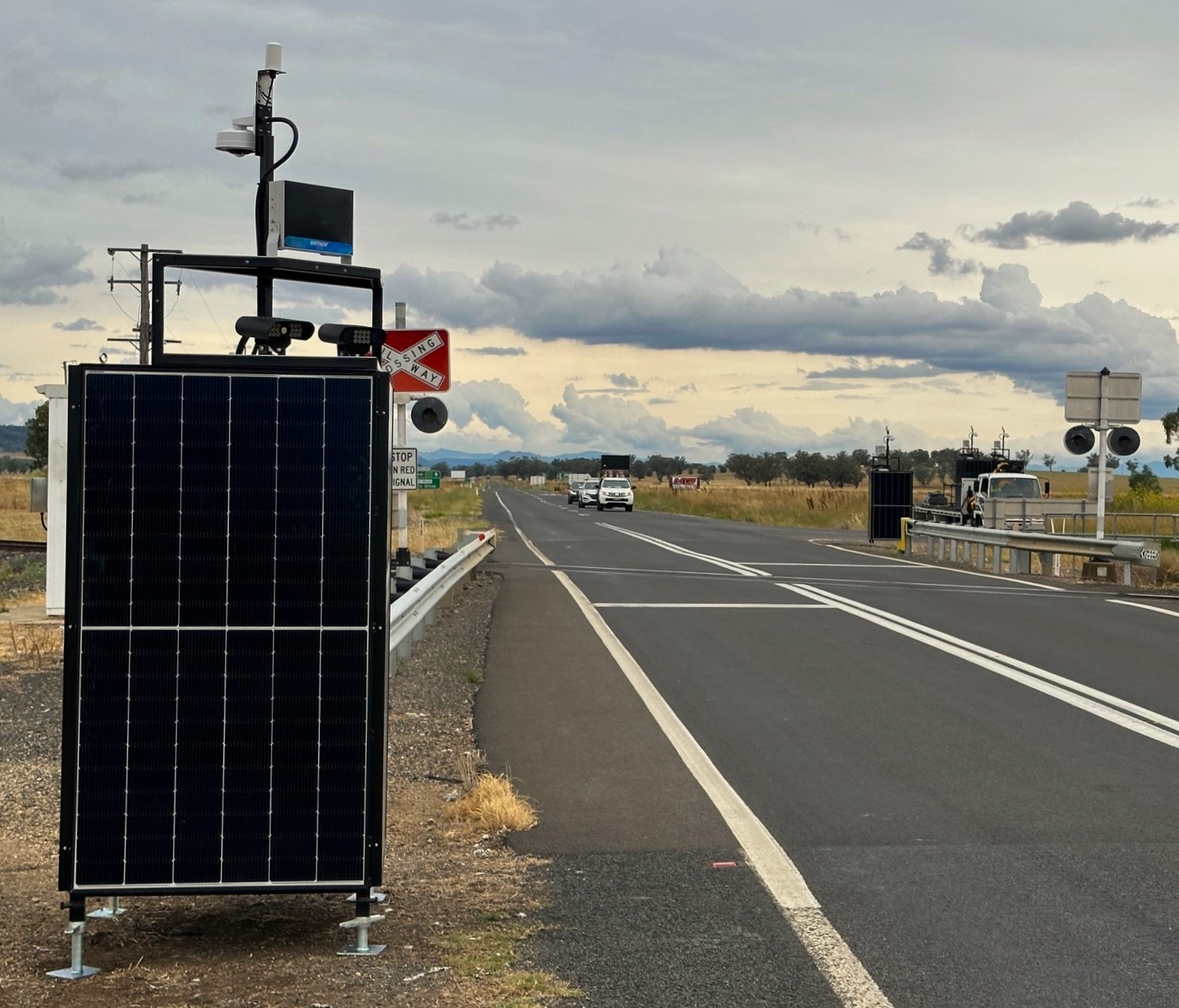
Modern traffic monitoring systems continuously capture vehicle movements at key locations. Cameras and sensors record traffic volumes, speeds, and directional flow throughout the day and across seasons. This provides a realistic picture of road usage rather than a short snapshot.
Such visibility is particularly valuable on busy arterial roads, freight corridors, and access routes serving airports, ports, and major activity centres.
AI-based traffic analysis
AI transforms raw traffic data into information that planners and engineers can use. Machine learning models identify trends, detect changes in behaviour, and classify vehicles with high accuracy. Differentiating between passenger vehicles and heavy vehicles is critical when assessing road wear, safety risks, and compliance.
Automated analysis also improves consistency by reducing manual processing and human error. This approach is often combined with license plate recognition systems to improve vehicle identification accuracy and support enforcement and compliance workflows.
Smart sensors and portable deployments
Smart sensors allow traffic monitoring to adapt to changing conditions. Portable systems can be deployed quickly to support road works, temporary studies, or compliance checks without permanent installations. This flexibility suits Melbourne’s dynamic road environment, where conditions can shift rapidly.
Data from all deployments – fixed or portable – is centralised in LPRnet, our vehicle data platform, enabling consistent reporting across the network.
Improving road maintenance with traffic monitoring services
Accurate traffic data allows maintenance teams to focus on locations experiencing the highest demand. Understanding when heavy vehicles travel and where traffic loads concentrate helps reduce premature surface damage and extends asset life. Insights from AI-based vehicle classification allow authorities to distinguish between passenger and heavy vehicles when assessing road wear and maintenance priorities.
AI-driven solutions such as Traffic AI support this shift by delivering consistent traffic data that can be reviewed over time. Maintenance planning becomes proactive rather than reactive, reducing emergency repairs and disruption to road users.
Supporting infrastructure planning with traffic monitoring data
Traffic monitoring systems also inform strategic planning. Historical and real-time data reveal how traffic patterns evolve as new developments open or freight activity increases. This insight helps planners assess whether existing infrastructure will meet future demand.
Using platforms such as Traffic AI, authorities can support evidence-based decisions on road upgrades, intersection design, and network capacity. Reliable data strengthens business cases and funding submissions by clearly demonstrating usage trends.
Cost control and operational efficiency for authorities
Automated monitoring reduces the need for repeated manual surveys and frequent site visits. This lowers operational costs and limits disruption to traffic. Teams can monitor multiple locations at once while maintaining consistent data quality.
Better information supports more confident budget allocation and helps avoid short-term fixes that fail to address underlying issues.
Road safety and compliance benefits
Understanding where risks emerge is essential for safer roads. Traffic monitoring systems help identify speeding behaviour, congestion points, and unsafe traffic patterns. Accurate vehicle classification supports monitoring of heavy vehicle routes and restricted areas.
These insights support safety programs while providing clear records for auditing and reporting.
Use cases across transport and precinct environments
Traffic monitoring systems support a wide range of Melbourne environments, including those managed by road governing bodies and transport authorities, as well as:
- Road authorities managing arterial and local networks
- Airports overseeing ground transport zones and access roads
- Ports and freight precincts tracking heavy vehicle movements
- Retail and mixed-use developments managing shared access roads
Each setting benefits from improved visibility into how vehicles interact with infrastructure.
Why traffic monitoring services are now essential
As Melbourne continues to grow, relying on periodic surveys alone no longer provides enough insight. Real-time, AI-supported traffic monitoring offers a practical way to guide maintenance planning, infrastructure investment, and safety initiatives.
By adopting data-driven traffic monitoring systems, authorities and operators gain clearer oversight, stronger planning capability, and greater confidence in decisions shaping Melbourne’s transport network. Many authorities reference real-world traffic monitoring case studies when assessing how these systems perform in comparable Australian environments.
If your organisation is reviewing traffic monitoring services for road maintenance or infrastructure planning in Melbourne, Sensor Dynamics can help assess how traffic monitoring cameras and real-time data support better decisions.
Every road network has unique monitoring requirements – ask about a custom traffic monitoring solution built around your maintenance planning workflow.
Frequently Asked Questions
1. What types of traffic data are most useful for road maintenance?
Traffic volumes, vehicle classifications, speed data, and directional flow help identify high-stress locations and plan maintenance based on actual usage.
2. How accurate are AI-based traffic monitoring systems?
AI-based systems use machine learning models trained on large data sets, improving consistency and reducing manual errors for reliable reporting.
3. Can traffic monitoring systems be deployed temporarily?
Yes. Portable systems allow authorities to collect data for short-term studies, road works, or compliance checks without permanent installations.
4. How does traffic data support compliance reporting?
Accurate data provides auditable records of vehicle movements and classifications, supporting regulatory reporting and policy enforcement.
5. Are traffic monitoring systems suitable for both urban and regional roads?
These systems can be deployed across metropolitan and regional environments, making them suitable for high-volume corridors and lower-traffic roads alike.