
How Traffic AI Enhances Road Safety with Predictive Analytics
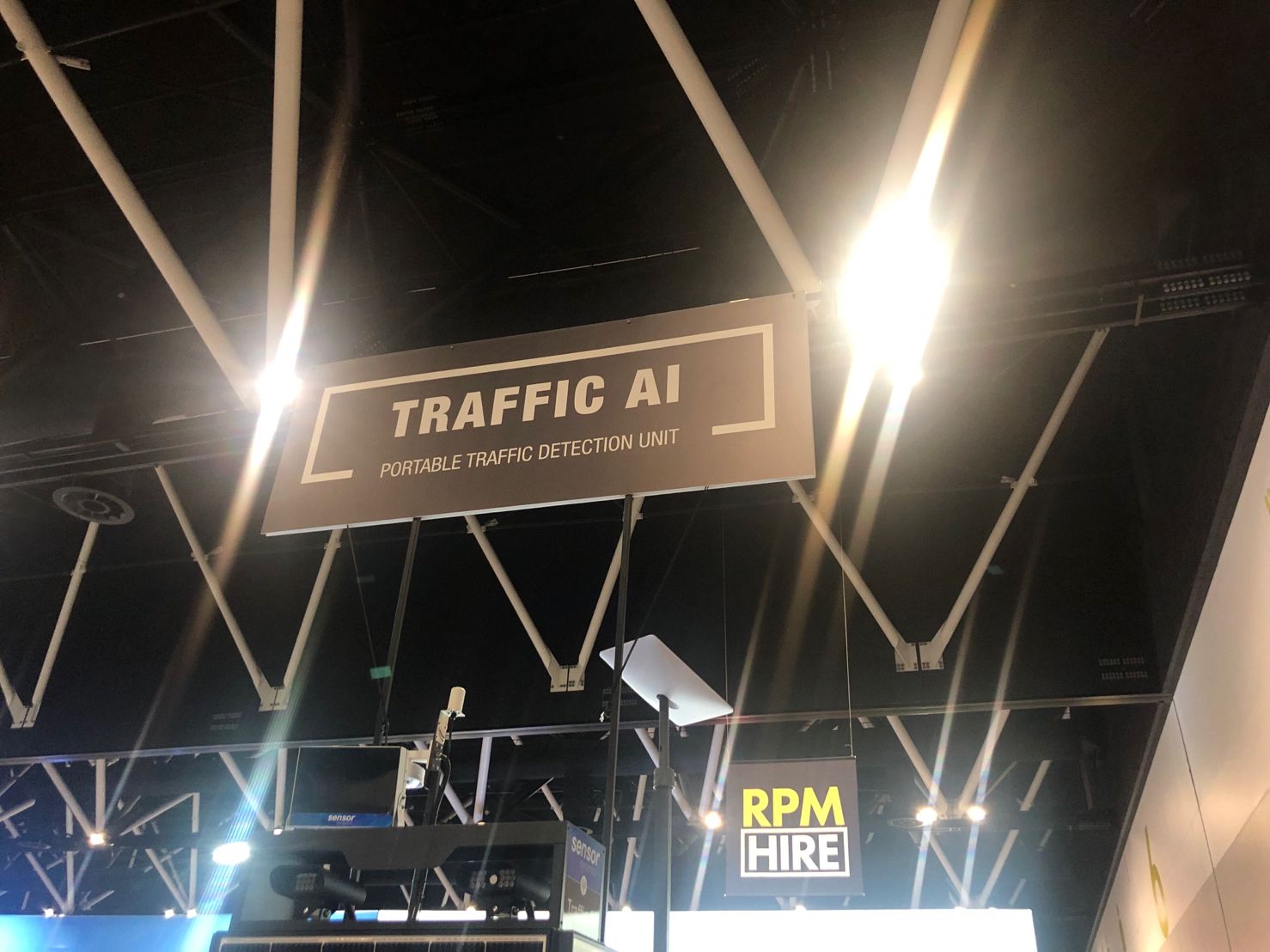
Traffic volumes across Melbourne continue to rise, increasing pressure on roads, transport hubs, and mixed-use precincts. Sensor Dynamics’ Traffic AI platform helps operators move beyond reactive monitoring to predictive risk prevention, delivering safer roads and smarter compliance across Australia.
Traditional traffic monitoring often shows operators what already happened. Modern AI-based traffic monitoring shifts this approach by helping organisations anticipate risk, intervene earlier, and reduce the conditions that lead to incidents.
By combining real-time vehicle detection with predictive analytics, Traffic AI supports safer, more informed decision-making for road authorities, airports, law enforcement, parking operators, ports, and retail centres.
Key points
- Predictive analytics enables proactive road safety by identifying risk patterns early
- Emerging accident hotspots can be detected before incidents escalate
- AI-driven speed and behaviour monitoring supports compliance and safer flow
- Real-time alerts help teams respond faster and reduce operational risk
What Traffic AI means for road safety
Traffic AI uses advanced video analytics to interpret vehicle movement, behaviour, and context in real time. Rather than simply counting vehicles, it transforms traffic activity into actionable insight that supports safer outcomes.
This shift allows operators to move from reactive reporting to predictive traffic monitoring systems that highlight where, when, and why risk is increasing. For decision-makers, this means clearer justification for safety initiatives and stronger returns from every deployment.

From traffic counts to risk-aware monitoring
Traditional monitoring focuses on volume and occupancy. AI-based traffic monitoring adds behavioural insight, such as sudden speed changes, repeated congestion spikes, abnormal stopping, and heavy vehicle movement patterns that often precede incidents.
Data inputs that support prevention
These systems analyse multiple signals together, including vehicle classification, direction of travel, time-of-day trends, speed behaviour, dwell time, and location context. When combined, these inputs expose early indicators of elevated risk.
How predictive analytics helps prevent traffic accidents
Predictive analytics identifies patterns that consistently lead to unsafe conditions, allowing operators to intervene before minor issues escalate.
Predicting accident hotspots before they form
Rather than relying solely on historical crash data, predictive monitoring highlights locations where risk is building. This may include intersections with repeated congestion surges, precinct exits with heavy vehicle conflicts, or kerbside zones with frequent stopping and merging behaviour.
Risk scoring by location, time, and vehicle type
Risk profiling can be applied across corridors, precincts, and time windows. Road authorities can compare routes, airports can assess terminal approaches, and ports can isolate higher-risk freight movements. Heavy vehicle behaviour can be analysed separately from general traffic to support targeted safety planning.
Turning predictions into practical action
Insights from predictive traffic monitoring systems support real-world interventions, such as:
- Adjusting access rules
- Refining enforcement schedules
- Improving signage placement
- Modifying traffic flow during peak risk periods
The result is measurable risk reduction supported by defensible data.
Managing speed risk with AI-based traffic monitoring
Speed remains a major contributor to road incidents. AI-based monitoring provides continuous visibility into speed behaviour across different environments.
Speed as a continuous safety signal
Instead of relying on isolated enforcement events, speed behaviour is tracked over time. This makes it easier to identify persistent issues, measure improvement, and prioritise resources where they have the greatest impact.
Smarter thresholds with less noise
Speed thresholds can be adjusted based on time of day, lane configuration, or precinct conditions. This reduces false alerts while maintaining focus on genuine safety risks.
Proactive safety alerts for faster response
Proactive alerts are where predictive traffic monitoring delivers immediate operational value.
Real-time alerts can flag emerging congestion near high-risk points, abnormal stopped vehicle behaviour, or heavy vehicle anomalies. Faster awareness allows traffic operations teams, enforcement units, or precinct managers to act before conditions deteriorate.
Portable vs fixed deployments for predictive traffic monitoring systems
Different environments require different deployment approaches:
- Portable deployments: Temporary works, event traffic management, rapid investigations, and short-term enforcement programs
- Fixed infrastructure: Long-term monitoring on high-volume corridors, critical access points, and locations requiring consistent compliance measurement
Effective deployment planning considers sight lines, lighting, mounting height, and approach angles. Correct placement improves detection quality and prediction accuracy.
How predictive traffic monitoring supports different operators
These systems adapt to the operational realities of different environments while delivering consistent safety benefits.
- Road authorities and government departments: Corridor safety, heavy vehicle analytics, compliance reporting
- Airports and ground transport operators: Kerbside zones, taxi holding areas, terminal approaches
- Law enforcement: Mobile or fixed deployments for safer operations
- Parking operators & retail centres: Reduce conflict points and improve flow
- Ports & freight precincts: Gate safety, weighbridge workflows, heavy vehicle throughput
What an implementation looks like in practice
Most organisations begin with a focused pilot to establish baselines, tune analytics, and confirm operational value before scaling.
Successful implementations prioritise data accuracy, evidence-grade reporting, integration flexibility, and deployment options suited to the environment. Safety impact is measured through improved speed compliance, reduced congestion at conflict points, and fewer high-risk behaviour patterns over time.
Ready to improve road safety with predictive analytics?
Organisations across Melbourne are using AI-based traffic monitoring to move from reactive incident response to proactive risk prevention. With the right data, operators can reduce risk, improve compliance, and make better decisions across complex transport environments.
Frequently asked questions
1. What is Traffic AI, and how does it improve road safety?
Traffic AI analyses real-time vehicle behaviour to identify patterns that increase risk. This allows operators to take preventative action rather than reacting after incidents occur.
2. How does predictive analytics identify accident hotspots?
Predictive analytics looks for recurring behaviour and environmental signals, such as congestion spikes or abnormal vehicle movements, that historically precede incidents.
3. Can AI-based traffic monitoring support speed compliance programs?
Yes. Continuous monitoring helps operators identify persistent issues and measure the effectiveness of safety initiatives over time.
4. What is the difference between portable and fixed monitoring systems?
Portable systems support short-term or temporary needs, while fixed systems provide consistent long-term monitoring in high-risk or high-volume locations.
5. What types of organisations benefit most from predictive traffic monitoring?
Road authorities, airports, law enforcement, parking operators, ports, and retail precincts benefit from improved visibility, predictive insight, and proactive safety management.

Previosly
How Traffic AI Enhances Infrastructure Planning and Road Network Management
February 13, 2026