How Traffic AI Enhances Infrastructure Planning and Road Network Management

Traffic AI is reshaping how infrastructure planning and road network management are approached across Australia by delivering continuous, data-driven visibility into real-world vehicle movement. For transport authorities, urban developers, and planners, access to reliable traffic intelligence is central to building efficient, safe, and well-maintained road systems that can adapt to changing demand.
Transport networks face sustained pressure from population growth, freight expansion, and shifting mobility patterns. AI-powered traffic monitoring provides structured, real-time datasets that show how corridors, intersections, and access points function under daily operating conditions. This consistent intelligence supports informed planning, disciplined investment, and accountable governance.
Key points
- Real-time vehicle intelligence strengthens infrastructure planning decisions
- AI-powered monitoring delivers detailed movement and classification data
- Predictive analytics supports proactive road network management
- Evidence-based planning improves safety and asset performance
- Scalable traffic AI solutions support efficient transport systems
Traffic AI as a Foundation for Smarter Infrastructure Planning
Infrastructure planning depends on accurate information. Road upgrades, interchange redesigns, and corridor expansions require dependable insight into how assets are used across peak and off-peak periods.
AI-enabled monitoring systems capture vehicle volumes, classifications, travel times, and directional flows within structured datasets. Planners gain a clear understanding of usage patterns, heavy vehicle distribution, and recurring demand peaks. This clarity supports strategic decisions grounded in measurable conditions.
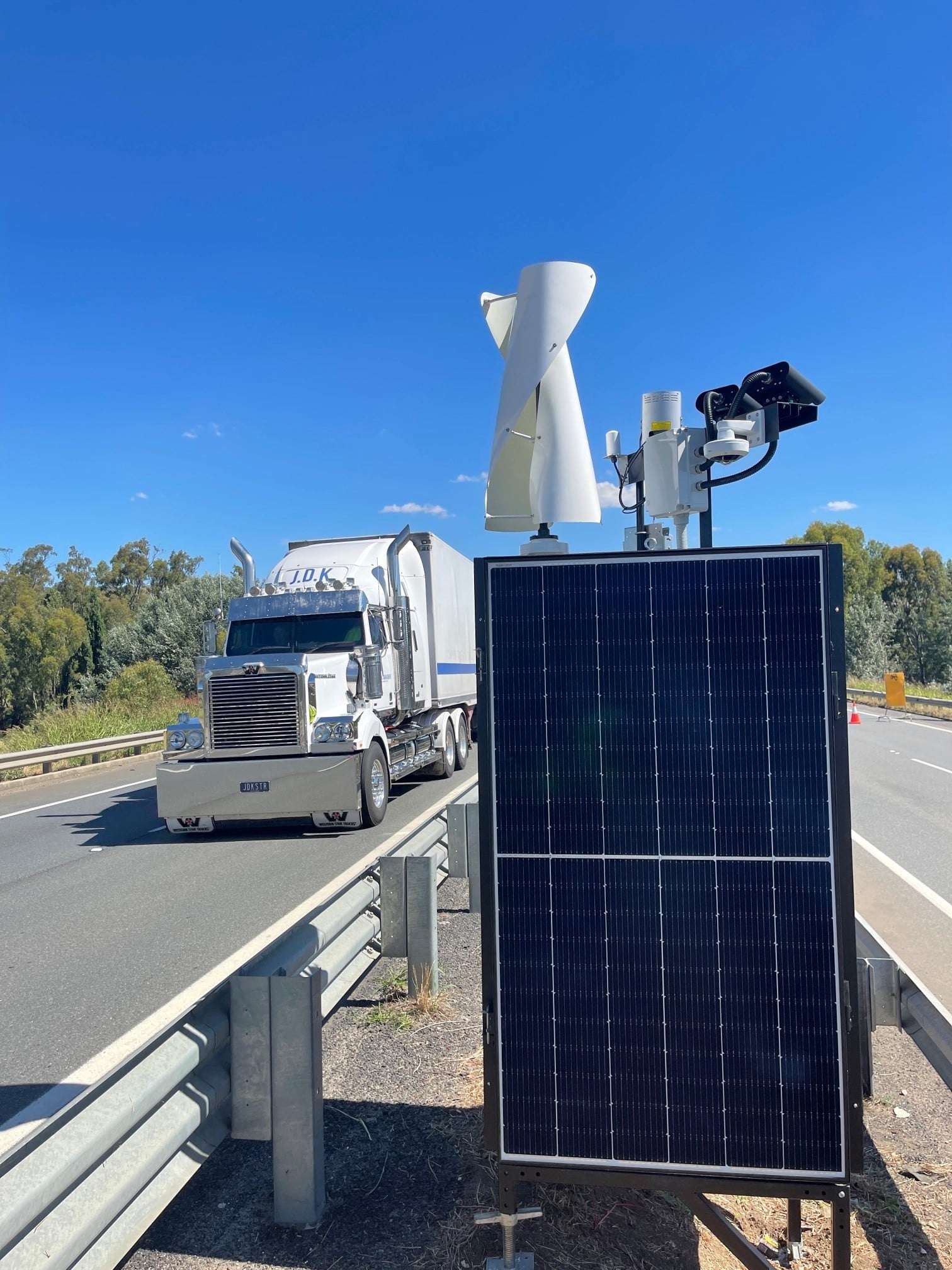
Sensor Dynamics’ Traffic AI platform provides integrated monitoring capabilities suitable for highways, arterial roads, freight routes, and controlled access environments, enabling authorities to build planning strategies on verified traffic intelligence.
With detailed visibility, agencies and planners can:
- Identify recurring congestion locations
- Quantify freight concentration across corridors
- Measure the network impact of new developments
- Assess performance outcomes following infrastructure upgrades
Structured evidence strengthens business cases and supports responsible capital allocation.
Real-Time Data for Responsive Road Network Management
Continuous Network Oversight
Real-time traffic data provides ongoing awareness of network performance. Operators can observe live flow conditions, detect developing bottlenecks and monitor the operational effects of construction activity or changing demand.
Continuous monitoring creates a stable stream of information that informs signal coordination, lane management and access planning. Authorities gain the ability to manage performance using up-to-date intelligence rather than periodic sampling.
This operational visibility supports:
- Timely adjustments in high-demand areas
- Improved safety planning where the vehicle mix varies significantly
- Coordinated transport and land-use decision making
Consistent oversight strengthens both day-to-day management and long-term network stability.
Enhancing Road Safety Through Data
Safety strategies benefit directly from detailed traffic analytics. Analysis of speed distribution, vehicle type composition, and peak load intensity highlights locations where engineering interventions or regulatory controls may be required.
Data-informed decisions around lane configuration, signage placement, and freight routing contribute to safer travel conditions. Ongoing monitoring also supports structured post-implementation review, ensuring that safety measures achieve intended outcomes.
Predictive Analytics and Long-Term Optimisation
Historical datasets unlock forward-looking capability. By examining seasonal fluctuations, growth patterns, and recurring congestion cycles, planners can forecast future demand and identify emerging capacity pressures.
Traffic AI solutions transform structured movement records into projections that guide phased infrastructure investment. Authorities can model the anticipated impact of residential expansion, commercial development, freight growth, or policy changes affecting transport behaviour.
Predictive insight supports disciplined funding submissions and enables infrastructure upgrades to be scheduled based on verified demand signals. This proactive approach contributes to more resilient and adaptable transport systems.
Sensor Dynamics’ traffic AI solutions provide the data foundation required for this form of long-term optimisation, supporting both operational control and strategic planning.
Supporting Urban Development and Asset Management
Urban growth and road performance are closely linked. New precincts, logistics estates, and mixed-use developments generate measurable traffic impacts that must be understood early in the planning cycle.
AI-powered monitoring assists planners and developers by:
- Establishing baseline traffic conditions
- Measuring construction-phase impacts
- Assessing post-completion traffic behaviour
- Informing access design and parking allocation
Reliable intelligence promotes coordinated infrastructure delivery aligned with documented road capacity.
Long-term asset management also benefits from continuous monitoring. Heavy vehicle concentration and peak load intensity influence pavement wear and maintenance scheduling. AI-based classification clarifies freight patterns, allowing maintenance programs to be prioritised according to verified usage trends.
Over time, structured datasets contribute to stronger lifecycle planning, enabling accurate budgeting for resurfacing, strengthening, and redesign.
Ready to Strengthen Your Infrastructure Strategy?
AI-powered traffic monitoring delivers the real-time intelligence and predictive insight required to support confident infrastructure planning and disciplined road network management. With structured vehicle data, authorities and planners gain the visibility needed to guide safer operations, optimise asset performance, and align long-term investment with verified demand.
If your organisation is planning corridor upgrades, assessing development impact, or improving network oversight, Traffic AI provides the measurable foundation required for informed decision-making.
Frequently Asked Questions
1. How does Traffic AI improve infrastructure planning?
Traffic AI delivers continuous insight into vehicle movements, classifications, and demand patterns. This allows planners to base upgrade and expansion decisions on verified evidence collected across extended timeframes.
2. What role does real-time data play in road management?
Real-time monitoring provides ongoing visibility into network performance, supporting informed operational adjustments and structured performance review.
3. How do predictive analytics support long-term strategy?
Predictive modelling uses historical traffic data to forecast future demand, guiding phased investment and helping authorities plan upgrades before capacity pressures intensify.
4. Can Traffic AI support urban development projects?
Yes. AI-based monitoring establishes baseline conditions and measures development impact, helping planners align access design and infrastructure capacity with projected traffic volumes.
5. Why is AI-powered traffic monitoring important for asset management?
Detailed vehicle classification and movement data reveal usage patterns that influence maintenance scheduling, lifecycle budgeting and long-term infrastructure resilience.
Previosly
Future of Traffic AI: Integrating Autonomous Vehicles with Smart Traffic Systems
February 20, 2026