
Future of Traffic AI: Integrating Autonomous Vehicles with Smart Traffic Systems
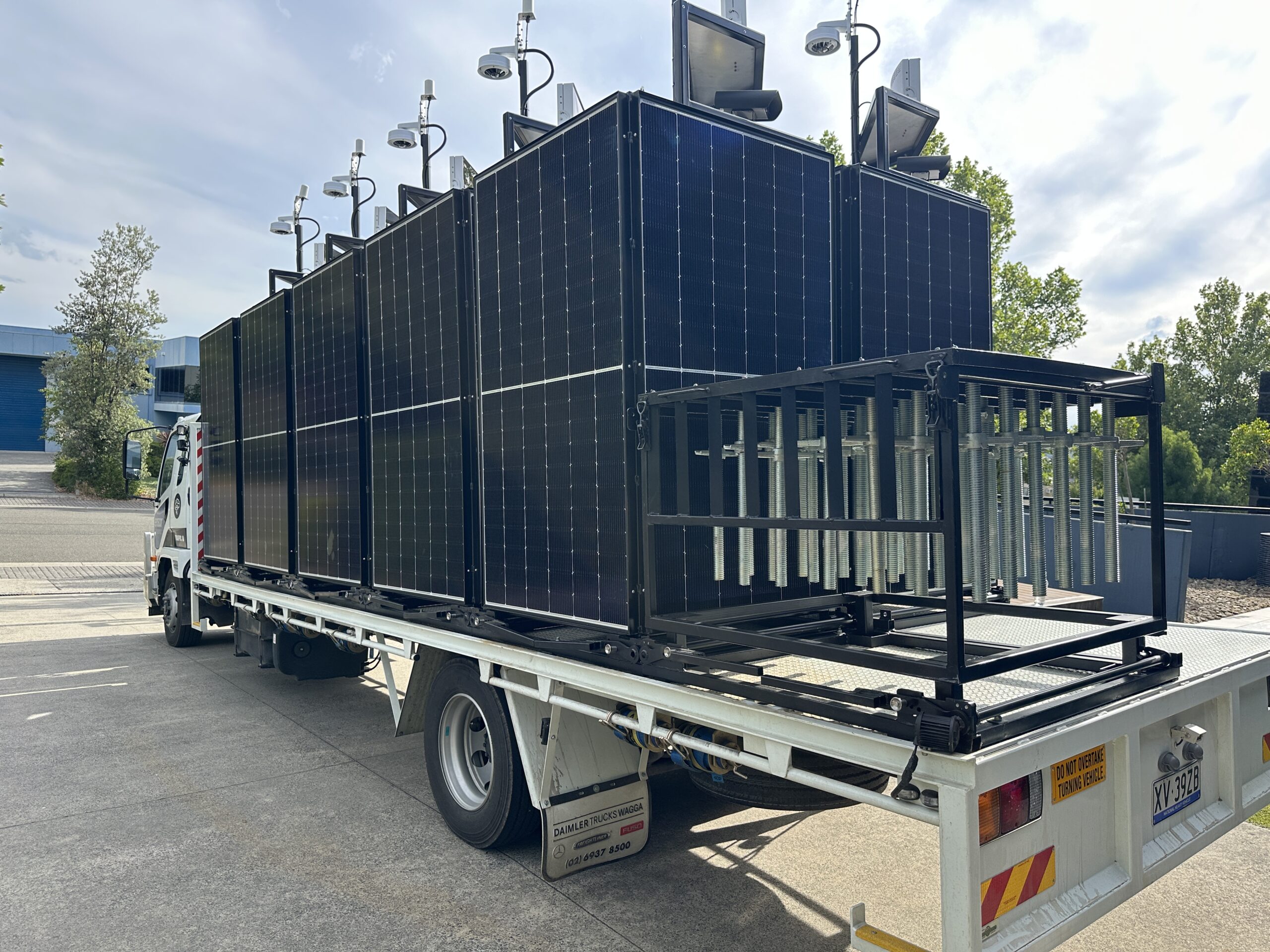
Autonomous vehicles are often discussed in isolation, as if vehicle intelligence alone is enough to manage complex transport environments. In reality, vehicle autonomy only performs reliably when supported by intelligent, responsive infrastructure that understands how traffic behaves across an entire site or network. In practice, self-driving vehicles depend on equally intelligent infrastructure. Traffic AI provides that missing layer by delivering real-time awareness, control, and verification across roads, precincts, and transport hubs.
For airports, road authorities, parking operators, and enforcement agencies in Melbourne, the integration of Traffic AI with autonomous vehicles is becoming a practical infrastructure consideration rather than a distant concept.
Key points
- Autonomous vehicles rely on AI-driven traffic systems to operate safely and predictably at scale.
- Traffic AI enables real-time monitoring, classification, and control across mixed vehicle environments.
- Integrated systems support compliance, billing accuracy, and operational oversight.
- Vehicle data from all deployments is centralised in LPRnet, our vehicle data platform, enabling compliance reporting and audit trails.
- Airports, road authorities, parking operators, and freight precincts gain measurable efficiency and control benefits.
Why autonomous vehicles need AI-driven traffic systems
Vehicle-side intelligence
Autonomous vehicles interpret their surroundings using onboard systems. These systems excel at detecting immediate obstacles and lane markings, but they operate within a limited field of view. External traffic intelligence improves accuracy by providing context beyond what the vehicle can directly observe.
Infrastructure-side intelligence
Traffic AI systems use cameras and edge-based processing to detect, classify, and track vehicles in real time. This includes identifying vehicle type, direction of travel, dwell time, and congestion patterns. Infrastructure intelligence allows operators to manage traffic flow proactively instead of reacting after issues arise.
Integrated decision-making
When autonomous vehicles receive inputs from Traffic AI systems, their responses become more predictable and consistent. Lane changes, merges, stopping behaviour, and access decisions align with broader traffic conditions, not just local sensor data.
Traffic AI use cases for autonomous-ready transport environments
Traffic AI integration delivers immediate operational value, even before widespread autonomous deployment. In airports, AI-driven traffic systems manage taxis, rideshare vehicles, buses, and service fleets by monitoring queue behaviour, enforcing dwell limits, and supporting accurate billing and auditing. License plate recognition captures every vehicle entry and exit, ensuring billing accuracy and supporting enforcement workflows across the precinct. This improves passenger flow while maintaining operational control.
For road authorities, Traffic AI supports compliance reporting, heavy vehicle analytics, and temporary monitoring deployments, which are essential for validating performance and safety in future autonomous corridors. Law enforcement benefits from enforcement-grade capture data that supports verification and investigation without relying solely on in-vehicle records.
Parking operators, retail centres, and mixed-use precincts use Traffic AI to enable ticketless access, manage circulation, and maintain reliable transaction records as vehicle automation increases. In ports and freight precincts, AI-driven gate automation and vehicle classification support safer, more predictable assisted or autonomous freight movements.

Traffic AI platforms as the integration layer
A key differentiator between basic traffic monitoring and future-ready infrastructure is the presence of a unified Traffic AI platform. This consolidates data, applies consistent logic, and makes vehicle behaviour understandable across operational teams and systems.
Traffic AI platforms act as the connective tissue between vehicles and infrastructure. Rather than operating as isolated sensors, these centralise detection, analytics, and system integration.
Real-time Traffic AI provides operators with a consistent view of vehicle activity across a site or network. This data can be shared with transport management systems, parking platforms, and enforcement tools to ensure all stakeholders operate from the same source of truth.
Organisations exploring autonomous readiness often begin by strengthening their infrastructure intelligence. Solutions such as Sensor Dynamics’ Traffic AI systems provide a practical foundation by delivering accurate, portable, and scalable traffic monitoring that supports both current operations and future vehicle automation.
Challenges in integrating autonomous vehicles with Traffic AI
Mixed traffic conditions
For the foreseeable future, autonomous and human-driven vehicles will share the same spaces. Traffic AI helps manage this complexity by monitoring behaviour patterns and enabling adaptive control strategies.
Data accuracy and trust
Autonomous integration depends on reliable data. Traffic AI systems must meet enforcement-grade accuracy standards to support compliance, billing, and safety outcomes.
Regulatory and operational constraints
Australian transport environments operate within strict regulatory frameworks. Traffic AI supports transparency and auditability, which are essential for regulatory acceptance of autonomous operations.
Innovations shaping future integration
Edge-based processing enables Traffic AI systems to operate with low latency and high reliability, including in temporary or remote deployments. Portable detection units support trials and staged rollouts without permanent infrastructure changes.
Multi-attribute vehicle identification improves confidence by matching vehicles using more than a single identifier. This reduces error rates in complex environments such as airports, ports, and large retail precincts.
Traffic AI as a foundation for autonomous readiness
For organisations responsible for complex transport environments, autonomous readiness starts with infrastructure visibility and control. Traffic AI enables operators to understand vehicle behaviour, verify compliance, and manage movement patterns with confidence.
For airports, road authorities, parking operators, and precinct owners planning future mobility strategies, Traffic AI provides a low-risk, high-value entry point. It delivers immediate operational benefits while establishing the data and control frameworks required for increasing vehicle automation.
Organisations assessing next steps can engage with Sensor Dynamics to review site-specific requirements, deployment options, and integration pathways.
Frequently asked questions
1. How do autonomous vehicles interact with Traffic AI systems?
Autonomous vehicles receive contextual inputs from Traffic AI systems that describe traffic conditions beyond their immediate sensor range. This improves predictability and supports safer decision-making.
2. Can Traffic AI support environments with both autonomous and human-driven vehicles?
Yes. Traffic AI is designed to monitor and manage mixed traffic conditions by identifying vehicle behaviour patterns and adjusting control strategies accordingly.
3. What role does Traffic AI play in compliance and reporting?
Traffic AI provides verified vehicle movement data that supports auditing, enforcement, and regulatory reporting across transport and parking environments.
4. Are portable Traffic AI deployments suitable for trials?
Portable deployments allow organisations to test traffic monitoring and control strategies without permanent infrastructure, supporting staged adoption of autonomous technologies.
5. When should organisations invest in Traffic AI for autonomous readiness?
Traffic AI delivers operational benefits immediately by improving traffic efficiency, data accuracy, and oversight. Early adoption prepares infrastructure for increasing levels of vehicle automation without disrupting existing operations.
Previosly
How Traffic Monitoring Systems Improve Road Maintenance and Planning
February 28, 2026